
8 Warning Signs Your Roof May Be Failing
Your roof usually gives you warning signs before a major leak or failure happens. Catching those early clues can help you address problems while they are still manageable instead of waiting until water damage, mold, or structural issues show up inside your home.
From cracked shingles to ceiling stains and sagging roof lines, there are several signals that your roof may be nearing the end of its life. Knowing what to look for can help you decide whether a repair or full replacement is the smarter move. Need a quote for a roof replacement? Contact us at Noble Roofing today for a free quote!
1. Cracked, Curling, or Missing Shingles
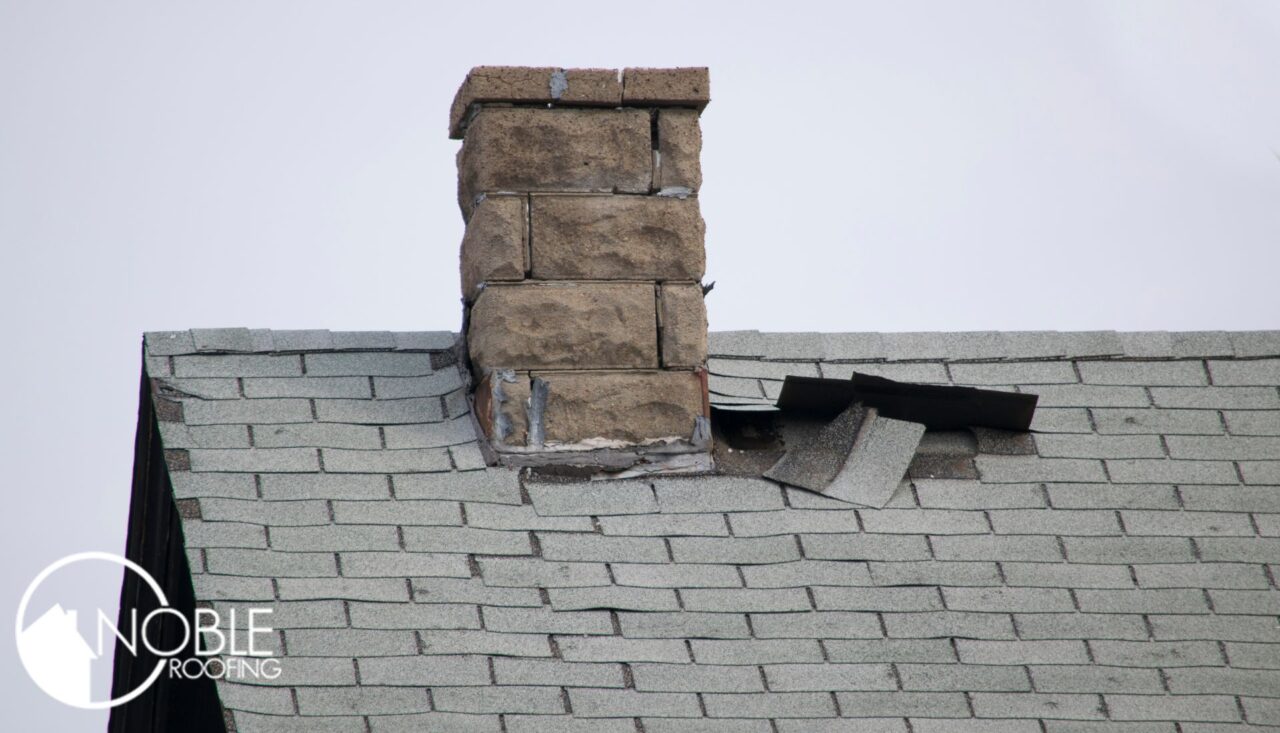
One of the most visible signs of a failing roof is shingle damage. If you see shingles that are curling at the edges, buckling, cracking, or completely missing, your roofing system may not be able to seal out water the way it should.
Guides from roofing and insurance sources note that widespread shingle damage—rather than a few isolated pieces—often means the roof is aging or has been exposed to harsh weather for many years. When shingles reach the end of their useful life, they tend to become brittle, curl, or fall off more easily.
2. Granules in Gutters or Bald Spots
As asphalt shingles wear out, they lose the protective mineral granules that help shield your roof from UV rays and weather. Those granules often wash into your gutters or downspouts, or leave dark “bald” patches where the asphalt base shows through.
While some granule loss is normal on a brand-new roof, excessive granules collecting in clean gutters on an older roof can be a sign that the shingles are failing and may need to be replaced.
3. Interior Water Stains and Leaks
Brown or yellow stains on ceilings or upper walls, peeling paint, or soft drywall are common signs that water is getting past the roof and into your home. Even a small stain can indicate an active leak tied to damaged shingles, failing flashing, or underlayment problems.
Roofing and home-maintenance guidance recommends checking the attic after heavy rain or storms for dark spots, damp insulation, or sagging sheathing. These can be early warning signs of a roof issue, even if you do not see dripping water yet.
4. Moss, Algae, or Mold Growth
Green patches, black streaks, or moss growing on the roof surface or out from under shingles can trap moisture against your roof and accelerate deterioration. Excess moss or algae may be more than a cosmetic concern—it can signal that your roof is holding too much moisture.
Mold or a musty smell in the attic or along upper ceilings is another sign that moisture is lingering where it should not, potentially due to leaks or poor ventilation. Left unaddressed, this can lead to wood rot and insulation damage.
5. Sagging or Uneven Roof Lines
A healthy roof should appear straight and even when viewed from the ground. If you notice areas that look dipped, bowed, or sagging, that can indicate underlying problems such as water-saturated decking, rot, or structural failure.
Roofing guides warn that sagging roof sections are a more serious sign than surface shingle wear alone. In these cases, a professional inspection is important to determine whether repairs or replacement are needed to protect the structure.
6. Damaged Flashing Around Vents or Chimneys
Flashing is the metal or specialized material used to seal joints around chimneys, vents, skylights, and other roof penetrations. If flashing is bent, cracked, rusted, or pulling away, water can slip into the gaps and cause leaks even if the shingles nearby look intact.
Guides on roof damage emphasize inspecting these areas after storms or heavy rain. Staining or dampness near roof penetrations often points to flashing issues that need attention before they turn into larger leaks.
7. Rising Energy Bills or Hot/Cold Spots
If your heating and cooling costs have gone up unexpectedly, or you notice hot and cold spots inside your home, your roof and attic may be part of the problem. Failing shingles, poor ventilation, or damaged insulation can let conditioned air escape and allow outdoor temperatures to influence your indoor comfort.
Roofing resources note that higher-than-usual utility bills can be a subtle sign that the roof system is no longer performing as it should, even if obvious leaks have not appeared yet.
8. Your Roof Is Simply Getting Old
Most asphalt shingle roofs are designed to last around 20 to 25 years under normal conditions, though climate and maintenance can shorten or extend that range. If your roof is in the last third of its expected lifespan and you are seeing several of the warning signs above, it may be approaching time for replacement.
Many roofing guides suggest considering age alongside visible wear. A few minor issues on a newer roof may call for repair, while similar issues on a much older roof may indicate that a full replacement will be more reliable and cost-effective. [48][50]
Let Noble Roofing Check Your Roof
If you have noticed curling shingles, granules in the gutters, stains on ceilings, moss or algae growth, or sagging roof lines, it is a good idea to have your roof professionally inspected. An expert can help you determine whether you are dealing with isolated damage or early signs of a failing system.
Noble Roofing can evaluate your roof, attic, and drainage system and explain your options—whether that means targeted repairs or planning for a full replacement.