Are Your Trees Putting Your Roof at Risk?
Mature trees add shade, curb appeal, and value to your property, but they can also become a problem for your roof if they grow too close or are not maintained. Overhanging branches, falling limbs, and heavy debris can damage shingles, clog gutters, and shorten the life of your roofing system.
Knowing the warning signs early can help you address tree issues before they turn into leaks, repairs, or even emergency roof damage.
Why Trees and Roofs Don’t Always Mix
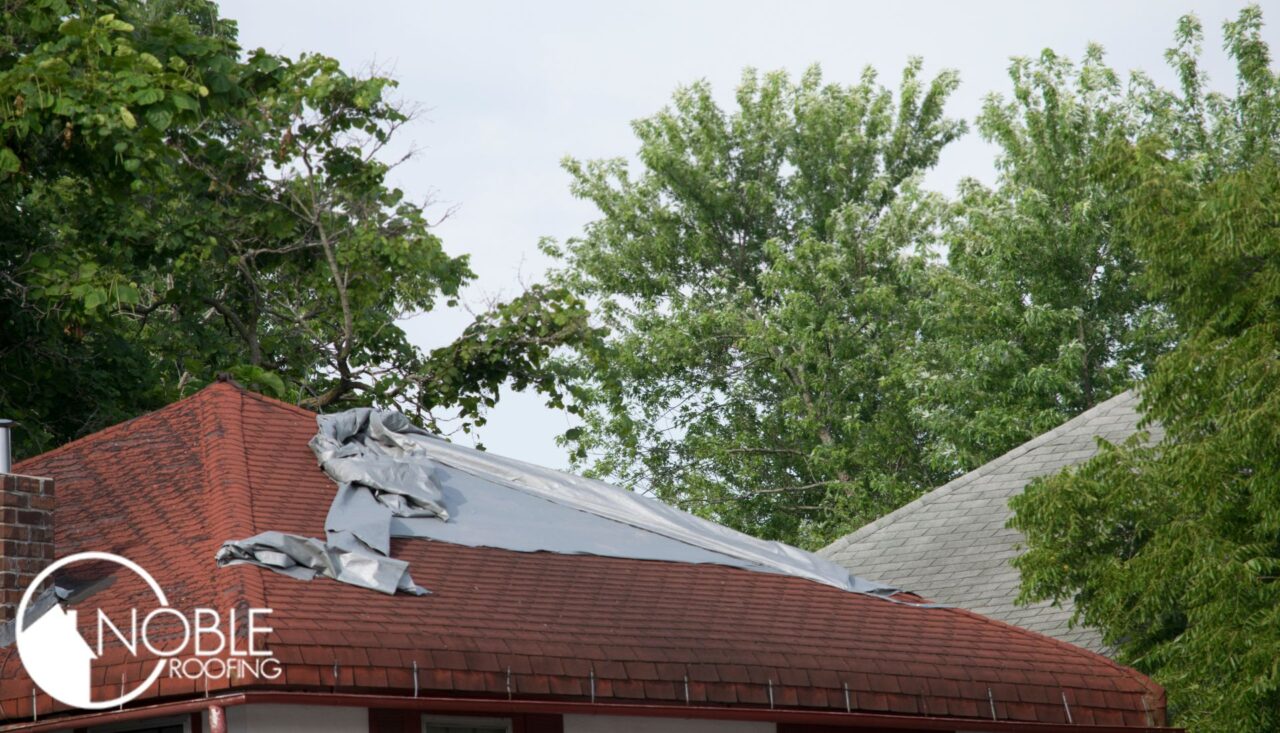
When trees are too close to the home, they can scrape, puncture, or trap moisture against your roof. Branches that rest on or continually brush against shingles can wear away protective granules over time. In a storm, weak or dead limbs can snap and cause significant impact damage.
Leaves, needles, and small twigs also collect on the roof surface and in your gutters. When that debris stays wet, it can encourage moss, algae, and rot, putting extra strain on your shingles and roof decking.
Signs Your Trees May Be a Problem
Branches hang directly over your roof. If large limbs extend well over your roofline, especially within a few feet of the surface, they are more likely to drop debris and may fall onto the roof during high winds or storms.
Branches are touching or rubbing your shingles. Any branch that rests on the roof or scrapes across it in the wind is a concern. Over time, that constant friction can remove granules, crack shingles, and expose the underlying layers of your roof.
You see heavy debris collecting on the roof. Piles of leaves, pine needles, seed pods, and small branches can trap moisture, block proper drainage, and create a breeding ground for moss and algae. If you notice debris building up quickly between cleanings, your trees may be too close or too dense above the roof.
Your gutters are constantly clogged with leaves and twigs. If your gutters need frequent cleaning because of nearby trees, that repeated buildup can lead to overflowing water, fascia damage, and a higher risk of leaks along the roof edge.
Trees show signs of disease or deadwood. Dead branches, peeling bark, fungus at the base, or areas with no leaves where there should be growth can indicate a stressed or dying tree. Dead or weakened limbs are more likely to break and fall on your roof.
How Close Is Too Close?
Every property is different, but as a general rule, large trees should be far enough away that their mature branches do not hang directly over your roof. When branches extend over the roofline, they are more likely to drop debris, scrape the surface, and cause damage in storms.
If your roof is heavily shaded by nearby trees and rarely dries out after rain, that’s another sign that the trees may be too close or too dense. Roofs that stay damp are more prone to growth and deterioration over time.
Steps You Can Take to Protect Your Roof
Trim back overhanging branches. Carefully cutting back limbs that hang over your roof reduces the amount of debris that falls on the surface and lowers the risk of impact damage during storms. Trimming should be done safely and correctly; for large or high branches, it’s best to call a professional.
Remove dead or dangerous limbs. Any branch that is clearly dead, cracked, or hanging should be addressed right away. Removing weak limbs before a storm can help prevent sudden roof damage.
Schedule regular roof and gutter cleanings. Even with trimmed trees, some leaves and needles will still make their way onto your roof and into your gutters. Keeping these areas clear helps water flow properly and reduces the chance of moisture-related roof problems.
Monitor trees after major storms. High winds and heavy rain can loosen branches, tilt root systems, or reveal damage that was not obvious before. After a strong storm, take a look at your trees and your roof for any new issues.
When to Call a Professional
Some minor trimming on low branches may be manageable for homeowners, but large trees near the home, limbs over your roof, and any signs of disease or instability should be evaluated by a tree or roofing professional.
A trained roofing contractor can check for shingle damage, hidden debris, and early signs of wear that might not be visible from the ground. They can also point out tree-related risks around your home and suggest practical steps to protect your roof.
Concerned about your trees and roof? Noble Roofing can inspect your roofing system, look for tree-related damage, and advise whether trimming, cleaning, or repairs are needed to keep your home protected.