
Should You Fix a Small Roof Leak Before Winter?
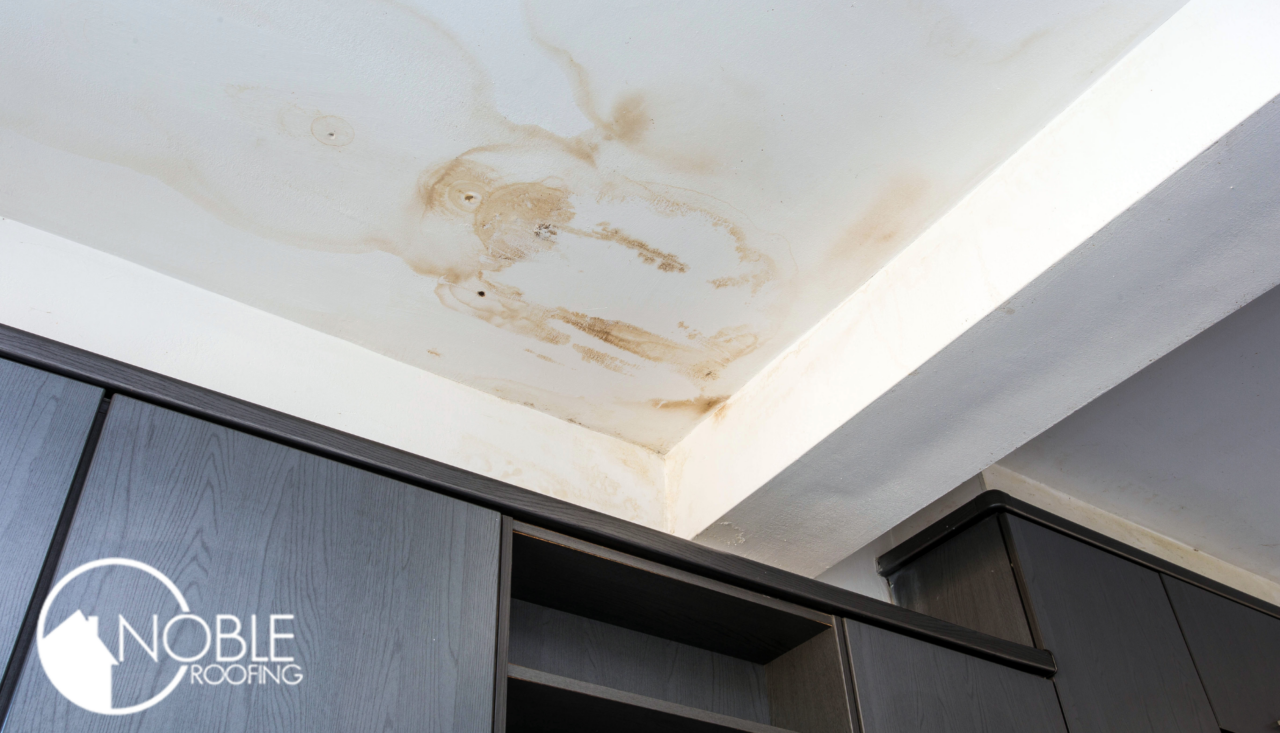
A small ceiling stain can be easy to put off, especially when it only appears after heavy rain. If there is no steady dripping and the room still feels dry, you may wonder whether the problem can wait until spring.
However, a suspected roof leak is worth investigating before winter. The size of the visible stain does not tell you everything about the source of the moisture or the condition of the materials above it.
For Northern Virginia homeowners, the practical next step is a professional roofing inspection—not automatically a major repair or roof replacement. Finding out what is causing the problem can help you decide what needs attention now and what can reasonably wait.
Why a Small Leak Deserves Attention
A leak does not have to produce a steady stream of water to warrant a professional evaluation. Moisture can enter during certain weather conditions, then stop when the rain ends. That pattern does not necessarily mean the underlying problem has resolved itself.
Repeated water intrusion can affect roof decking, insulation, drywall, and other materials. How much damage has occurred depends on factors such as the amount of water, how often it enters, and whether affected materials have been able to dry.
Addressing the source early may help limit additional damage. It also gives you an opportunity to understand the repair options before another storm brings the problem back.
A Ceiling Stain Does Not Identify the Source
A brown or yellow ceiling stain, bubbling paint, or peeling drywall can indicate moisture intrusion. However, the visible mark does not prove that the roof directly above it is the source.
Water can travel along building materials before appearing inside a room. Plumbing leaks and other moisture issues can also produce ceiling stains, so an inspection should trace the source rather than assume that the repair belongs directly above the discoloration.
For example, a stain that appears after heavy rain may lead a contractor to investigate the roofing and flashing. A stain that changes during dry weather or after plumbing use may require a different line of investigation.
When you schedule an inspection, explain when you first noticed the stain, whether it changes during rain, and whether there has been active dripping. Photos taken from a safe location can help document changes over time.
What Could Be Causing the Leak?
Roof leaks can develop around damaged shingles, deteriorated flashing, and roof penetrations such as chimneys, skylights, and plumbing vents. These areas need details that help direct water away from openings and transitions.
A localized issue, such as a damaged pipe boot or a flashing problem, may call for a targeted repair. Other situations may involve several damaged areas or a roof whose overall condition needs closer evaluation.
The important distinction is between identifying a symptom and identifying its cause. Applying sealant to a suspected spot without understanding the water entry point may not provide a lasting solution.
Ask the contractor to explain the findings and how the proposed work addresses them. Photos and a clear description can help you understand why a particular repair is recommended.
Why Investigate Before Winter?
Investigating a suspected leak before winter gives you more time to discuss options and plan appropriate work. If repairs are needed, your contractor can evaluate the materials, roof conditions, and forecast before scheduling them.
Cold weather does not automatically prevent roofing work, but some materials require specific installation conditions or additional precautions. Snow, ice, and wet roof surfaces can also affect safe access and scheduling.
Waiting for warmer weather without first understanding the problem leaves you unsure whether water intrusion is continuing. An inspection can help determine whether a repair should move forward, whether temporary protection is appropriate, or whether another source of moisture needs attention.
The goal is not to rush into work simply because winter is approaching. It is to make an informed decision before weather adds another complication.
Does a Leak Mean You Need a New Roof?
No. A roof leak does not automatically mean the entire roof needs to be replaced. The appropriate recommendation depends on the source of the leak and the condition of the roofing system.
If the problem is limited to a specific component and the surrounding roof remains serviceable, a targeted repair may be reasonable. If there is widespread deterioration, recurring leakage, or significant damage, replacement may deserve consideration.
Roof age is useful context, but it should not be the only factor in the decision. Ask what the inspection revealed, how much of the roof is affected, and what the proposed repair is expected to accomplish.
If replacement is recommended, request an explanation of why a smaller repair would not be appropriate. A clear recommendation should connect the observed condition to the proposed scope of work.
What Should an Inspection Address?
A leak evaluation should investigate the suspected entry points and relevant surrounding components. Depending on the location and access, this may involve examining shingles, flashing, vents, skylights, and visible signs of moisture beneath the roof.
The contractor should also consider whether the reported symptoms match the findings. Knowing that a stain appears only during wind-driven rain, for example, can be useful context when investigating the source.
Ask whether there are signs of damage to underlying materials and whether additional evaluation will be needed after roofing materials are removed. Some conditions cannot be fully assessed from the surface alone.
Before approving work, request a written scope that identifies the planned repair, materials, exclusions, and how any additional damage will be documented and priced.
What to Do While Waiting for an Inspection
Document the problem from a safe location. Take photos of the stain and note when it appears or changes. If it is safe to do so, move nearby belongings away from the affected area.
Do not climb onto a wet, icy, or snow-covered roof to look for the source. Avoid entering an attic that has unsafe access, damaged surfaces, or other hazards. A roofing professional can assess exterior conditions using appropriate equipment.
If the ceiling is sagging, bulging, or actively deteriorating, stay out from underneath it and seek urgent professional help. Water near electrical fixtures or equipment also requires urgent attention; do not touch wet electrical components.
Painting over a stain will not address the moisture source. Interior finishing should follow investigation of the cause and appropriate evaluation of the affected materials.
When Is a Temporary Repair Appropriate?
If weather or other conditions prevent a permanent repair, a contractor may recommend a temporary protective measure. Whether that is suitable depends on the roof, the suspected source, and what can be done safely.
Ask what the temporary work is intended to accomplish, what its limitations are, and when follow-up work should be scheduled. Temporary protection should not be confused with a completed permanent repair.
If a permanent repair is recommended, confirm what is included and whether it addresses only the roof exterior or also any affected materials below. Interior drying, insulation replacement, or ceiling repairs may require separate work.
Get a Clear Plan With Noble Roofing
A small ceiling stain does not have to lead to a major roofing project, but it should lead to a better understanding of what is happening. Investigating a suspected leak before winter can help you identify the source and choose an appropriate next step.
Noble Roofing provides residential roofing services, including roof repairs, and offers free, no-obligation inspections and estimates. Contact the team to discuss your concerns and arrange an evaluation.
Whether the findings support a localized repair or a broader roofing project, a clear explanation and written scope can help you move forward with confidence.