
Should You Replace Your Skylights When You Replace Your Roof?
If your home has skylights, planning a roof replacement brings an additional question: should you keep the existing units or replace them at the same time?
There is not one answer for every home. The decision depends on the skylights’ condition, their history, compatibility with the new roofing system, and the work needed around them.
For Northern Virginia homeowners, a roof replacement is a useful opportunity to evaluate existing skylights before new materials are installed around them. Making that decision early can help you compare options and avoid an unexpected change during the project. At Noble Roofing, we can provide a free quote and give you additional insights on what to expect when you take on this kind of project with skylights.
Why Consider Both Projects Together?
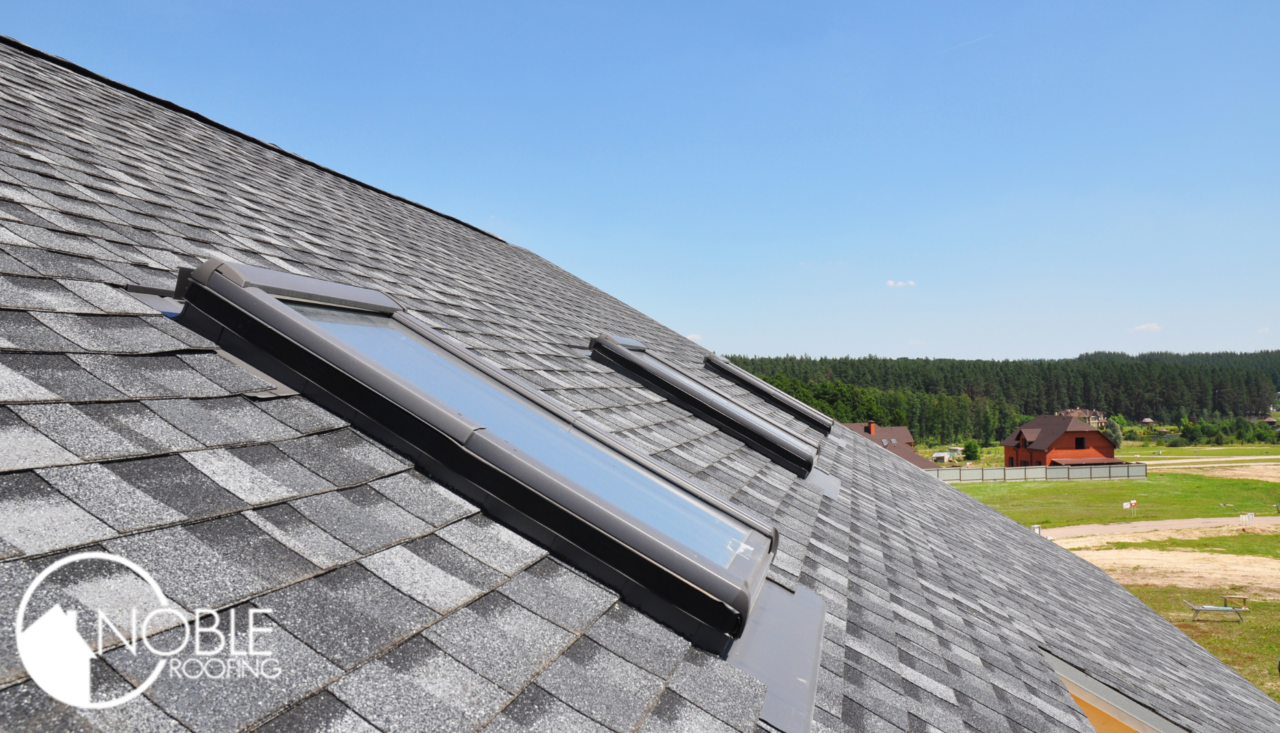
Skylights are integrated into the roof through flashing and other weatherproofing details. Replacing a skylight can involve removing and reinstalling surrounding roofing materials, so there is an overlap between the two projects.
When the existing roof covering is already being removed, the contractor has an opportunity to coordinate the skylight installation with the new roofing system. This may reduce duplicated work compared with replacing the skylight separately later.
That does not mean replacement is automatically the best choice. Ask the contractor to explain the additional cost now, what retaining the existing unit involves, and what a future replacement would require.
A comparison based on the actual project is more useful than a blanket promise that combining the work will always save a particular amount.
Start With the Skylight’s Condition
Before deciding, have the skylight and its surrounding details evaluated. Relevant concerns may include damaged glazing, deteriorated seals, frame problems, difficulty operating an opening unit, or previous water intrusion.
The unit’s age and model can provide useful context, particularly when checking the availability of compatible flashing or replacement parts. However, age alone does not describe every aspect of its condition.
If you have product information, warranty documents, or records of earlier repairs, share them with the contractor. Also explain any recurring stains, drafts, or operating problems you have noticed.
The recommendation should identify whether the concern involves the skylight itself, the surrounding roof assembly, or both.
A Leak Does Not Always Mean the Skylight Has Failed
Water appearing near a skylight needs investigation, but it does not automatically prove that the glazing or frame must be replaced. Flashing and surrounding roof materials are also part of the waterproofing assembly.
Moisture on the inside surface can also involve condensation rather than rain entering through the roof. Describing when the moisture appears can help guide the evaluation, but a professional assessment may be needed to distinguish the cause.
If replacement is recommended because of leakage, ask what failed and how the proposed work addresses it. Replacing the unit without resolving an installation or surrounding roofing problem may leave important details unaddressed.
Likewise, repairing flashing will not resolve every problem with a damaged skylight. The scope should match the findings.
When Keeping an Existing Skylight May Be Reasonable
A relatively recent skylight in serviceable condition may be a candidate to remain in place, provided it can be properly integrated with the new roof. The contractor should evaluate compatible flashing, installation requirements, and the work needed around the unit.
Ask whether the existing skylight can remain without compromising the proposed installation. Confirm which components will be replaced and whether any existing parts will be reused.
Also ask how retaining the unit affects coverage. A new roofing warranty does not automatically provide coverage for an older skylight or every existing component around it.
If the contractor recommends keeping the skylight, have that scope clearly described in the written proposal.
When Replacement May Be Worthwhile
Replacing the skylight may deserve consideration when the unit has deteriorated, has a history of unresolved problems, or lacks suitable components for the proposed roofing installation.
It may also be an opportunity to change how you use the space. Depending on the product and installation, options can include fixed or venting skylights, shades, and different glazing features.
Evaluate those features against your priorities rather than choosing an upgrade solely because it is available. Consider daylight, glare control, ventilation, operation, and maintenance.
If you are considering a different size or mounting arrangement, ask whether that changes the roof opening or requires additional framing and interior work. A straightforward replacement and a redesigned opening are different projects.
Why Flashing Compatibility Matters
Flashing helps direct water around the skylight and back onto the roof surface. The appropriate flashing system depends on the skylight model, mounting method, roof slope, and roofing material.
For example, a flashing kit designed for a particular skylight and shingle roof should not be assumed suitable for every other combination. The installation must follow the applicable manufacturer’s requirements.
Ask your contractor to identify the proposed skylight model and flashing system. If the existing skylight will remain, ask how its compatibility with the new roof has been confirmed.
Product-specific warranty requirements may also depend on using approved flashing and installation methods. Request the actual terms rather than relying only on a general promise of a leak-free installation.
Will the Interior Need Work?
Some skylight replacements can be completed primarily from the roof, but others require changes to the interior opening, trim, or light shaft. The scope depends on the existing installation and the replacement unit.
If the opening size changes, additional framing and finishing may be necessary. Existing water damage may also require separate repairs even when the new skylight fits the original opening.
Before approving the project, ask whether drywall, painting, trim, insulation, and interior cleanup are included. If another contractor will handle those items, clarify how the work will be coordinated.
Knowing these boundaries in advance helps prevent a misunderstanding about what “skylight replacement” includes.
Compare the Costs and Warranties Clearly
Ask for the skylight work to be identified separately within the roof proposal. The estimate should specify the unit, flashing, installation, removal of the old skylight, and any associated interior work.
If you are comparing keeping the existing skylight with replacing it, request a clear description of both options. Include any recommended flashing work in that comparison so you are evaluating complete scopes rather than product prices alone.
Review the skylight warranty separately from the roofing warranty. Confirm who provides coverage, what installation conditions apply, and whether registration is required.
Also ask who to contact if a future concern appears around the skylight. Clear responsibility is valuable when roofing, skylight installation, and interior finishing involve different providers.
Make the Decision Before Installation Begins
The best time to discuss skylights is while planning your roof replacement. Early evaluation gives you time to review product options, confirm compatibility, and understand any changes to the schedule or scope.
Do not assume the roofer will replace the skylights simply because they are surrounded by new shingles. Likewise, do not assume keeping them means all flashing and related components will remain untouched.
Your written agreement should state what happens to each skylight and which surrounding details are included. That clarity helps the installation team and gives you a better understanding of the finished project.
Plan Your Roof Replacement With Noble Roofing
Replacing your roof is a good time to ask whether your existing skylights should remain, receive updated surrounding details, or be replaced. The right choice depends on the condition of the units and how they fit into the proposed roofing system.
Noble Roofing serves homeowners throughout Virginia, Maryland, and DC. Contact the team to discuss your roof replacement and ask about evaluating the skylights as part of the project.
With a clear scope and compatible installation details, you can make a decision that supports both your new roof and the way you use the space beneath it.