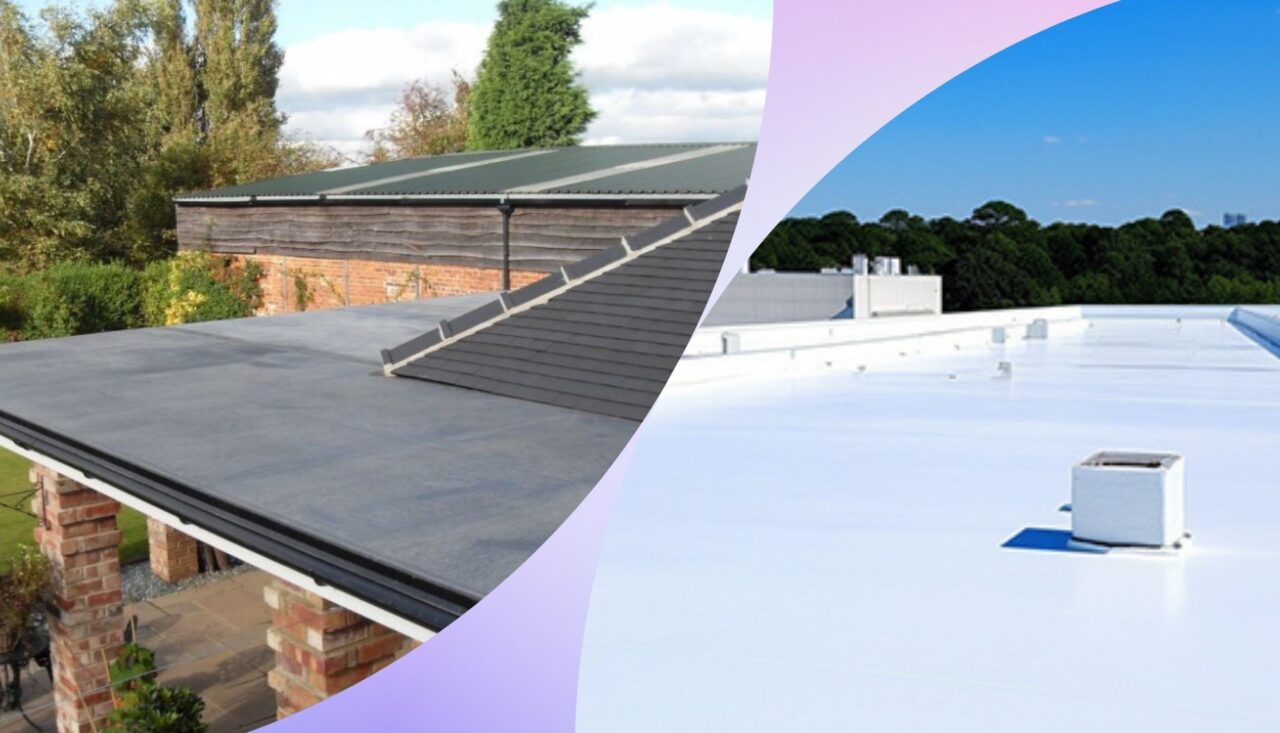
When it comes to flat roof repair, what should you expect?
Flat roofs, such as EPDM and TPO roofs are associated with some typical repairs. As with all architectural styles, flat roofs come with their unique materials, compositions, strenths, and challenges. Specialists who work with these structures regularly understand the most typical defects to expect as these roofs wear down over time. With this knowledge, inspections are much more efficient.
And though you may not be a roofing expert, it’s extremely useful for property owners to understand what to expect as well. As you gain familiarity with flat roofs and their unique profiles, you can become more comfortable at identifying when it’s time to call a Noble Roofing expert for a roof inspection or when something may not be a big deal right now.
Most Common Repairs for TPO and EPDM Roofs
The experts at Noble Roofing often come across “patterns” when they service a certian type of roof. For example, while an asphalt sloped roof may commonly miss a shingle after a strong wind storm, a flat roof has different typical issues, such as issues with seams or pooling water.
6 Most Common Repairs for TPO Flat Roofs
The most common repairs for TPO (Thermoplastic Polyolefin) flat roofs typically involve addressing issues related to leaks, tears, punctures, and seam failures. Here are some common repairs:
- Leaks: Detecting and fixing leaks is crucial. This may involve patching damaged areas or sealing around protrusions such as vents, pipes, or HVAC units.
- Tears and Punctures: Tears or punctures in the TPO membrane can occur due to various reasons such as foot traffic, falling debris, or extreme weather conditions. Repairing these involves patching or applying specialized sealants.
- Failed Seams: The seams where TPO sheets are fused together can sometimes fail, leading to leaks. Repairing seams typically involves resealing them using heat or specialized adhesives.
- Damaged Flashing: Flashings, which are installed around roof penetrations and edges to prevent water intrusion, can degrade over time. Repairing or replacing damaged flashings is essential to maintain the roof’s integrity.
- UV Damage: TPO roofs are susceptible to UV degradation over time, leading to cracks and brittleness. Repairing UV damage may involve applying coatings or sealants with UV protection.
- Membrane Shrinkage: TPO membranes can shrink over time, especially in areas with high temperatures or inadequate installation. Repairing shrinkage involves resealing seams and potentially installing additional fasteners to prevent further movement.
6 Most Common Repairs for EPDM Flat Roofs
EPDM (Ethylene Propylene Diene Monomer) flat roofs, like TPO roofs, require maintenance and occasional repairs to ensure their longevity and performance. Here are some common repairs for EPDM flat roofs:
- Leaks: Similar to TPO roofs, leaks are a common issue with EPDM roofs and can occur due to punctures, tears, or seam failures. Patching damaged areas with compatible EPDM patch materials effectively seals leaks.
- Separated or Degraded Seams: EPDM roofs are typically installed in large sheets, and seams are sealed using adhesive or tape. Over time, these seams can degrade or separate, leading to leaks. Repairing seams involves resealing them with compatible adhesive or seam tape.
- Deteriorated Flashings: Flashings around roof penetrations, such as vents, pipes, and chimneys, can deteriorate over time, leading to water intrusion. Repairing or replacing damaged flashings ensures proper waterproofing.
- Ponding Water: EPDM roofs can develop areas where water pools or ponds due to inadequate drainage. Standing water can accelerate membrane degradation. Repairing ponding water issues may involve adjusting the roof’s slope, installing additional drains, or applying specialized coatings to improve water runoff.
- Torn or Punctured Membranes: Tears or punctures in the EPDM membrane can occur due to various factors, including foot traffic, falling debris, or weathering. Repairing these involves patching damaged areas using compatible EPDM patch materials and adhesives.
- UV Damage: EPDM roofs are susceptible to UV degradation over time, which can cause the membrane to become brittle and crack. Repairing UV damage may involve applying coatings or sealants with UV protection to extend the roof’s lifespan.
Preventing Damage to EPDM & TPO Roofs
When it comes to maintenance and prevention, there are two main methods that property owners can use to get the longest life out of their flat roof. Regardless of material, these are the best practices for keeping a flat roof in the best condition.
- Cleaning and Maintenance: Regular cleaning and maintenance are essential for EPDM and TPO roofs to remove debris, prevent clogging of drains, and inspect for any signs of damage. Cleaning also helps maintain the roof’s reflective properties and prolong its lifespan. Schedule a regular maintenenance and inspection with Noble Roofing to stay on top of this task!
- Roof Coating Application: Applying a protective coating to the EPDM or TPO membrane can enhance its durability, weather resistance, and UV protection. Roof coatings also help to reduce heat absorption and energy costs, so you offset some utility bill costs in the process. Noble Roofing experts can gladly help you with this task!
Flat Roof Repair in Northern Virginia
Addressing EPDM and TPO roof repairs promptly and conducting regular inspections and maintenance can help prevent more extensive damage and prolong the roof’s lifespan. It’s advisable to consult with a professional roofing contractor at Noble Roofing for an accurate assessment and repair of EPDM and TPO flat roof issues.
