Should You Remove Snow From Your Roof? What Homeowners Need to Know
After a big snowstorm, many homeowners look up at their roof and wonder if they should clear it. In most cases, the answer is no. But there are times when snow on your roof can lead to leaks, ice dams, or even structural stress. Here is how to tell the difference and what to do safely.
When Snow on Your Roof Is Usually Fine
Most roofs are built to handle normal snowfall. In Northern Virginia, we usually get a few inches at a time, and it often melts within days. A light, even layer of snow on a sound roof is rarely a problem. In fact, a uniform snow cover can be a good sign that your attic is well insulated and not leaking heat.
When Snow Can Become a Problem
Snow can cause trouble in a few situations:
- Heavy, wet snow or several storms in a row. Wet snow weighs much more than dry, powdery snow, and back-to-back storms can pile it up.
- Rain on top of snow. The snow soaks up the rain like a sponge, adding a lot of weight.
- Flat or low-slope roofs. Snow does not slide off these roofs, so it builds up faster.
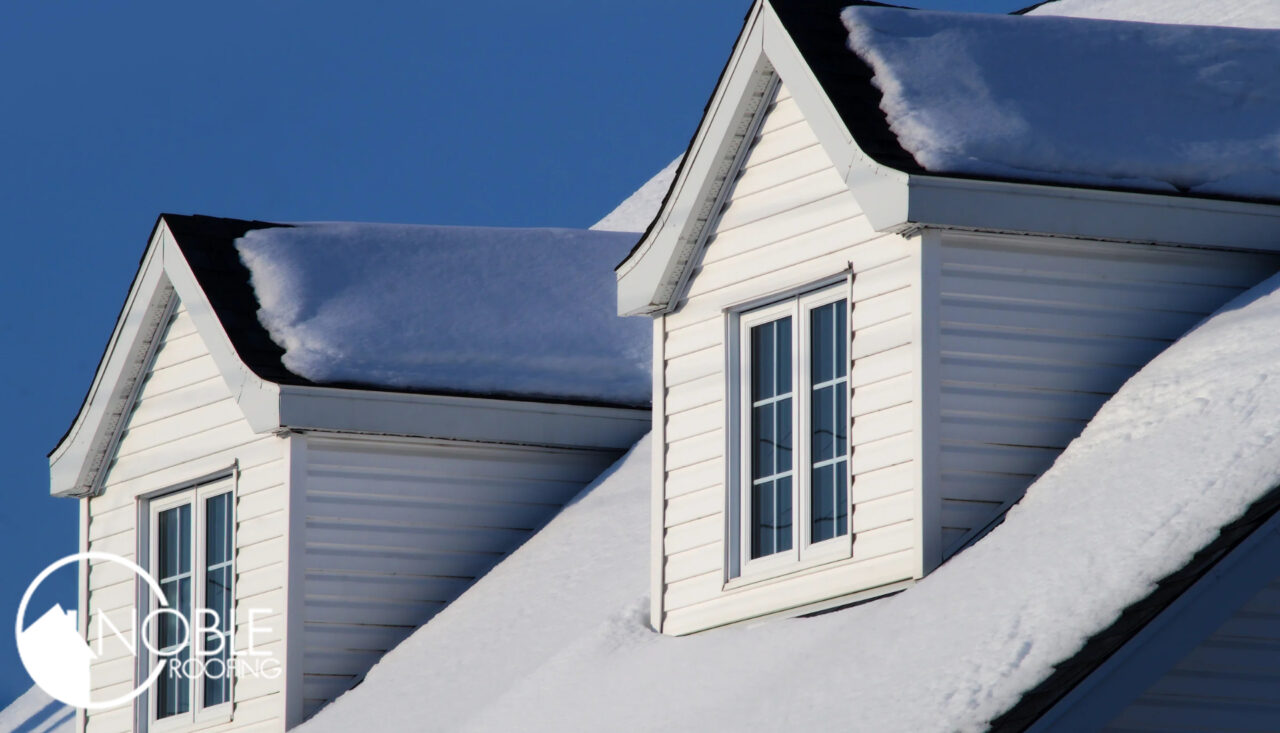
- Drifts. Wind can pile snow against chimneys, dormers, and lower roof sections.
- Uneven melting. Bare patches with snow at the edges can point to heat loss and ice dams.
Warning Signs to Watch For
Call a professional right away if you notice:
- Interior doors that suddenly stick, especially upstairs
- New cracks in drywall or ceilings
- Creaking or popping sounds from the roof or attic
- Visible sagging along the roofline
- Water stains or drips inside the home
How to Remove Snow Safely
If you decide to clear some snow, stay on the ground.
- Use a roof rake. A long-handled roof rake lets you pull snow off the lower few feet of the roof from the ground.
- Leave a thin layer. Scraping down to the shingles can strip granules and damage your roof. A couple of inches left behind is fine.
- Work from the edge up. Pull snow down in small sections so it does not fall on you all at once.
- Watch for power lines. Keep metal rakes and ladders well away from overhead lines.
What Not to Do
- Do not climb onto a snowy or icy roof.
- Do not use a shovel, ice pick, or hammer on the roof surface.
- Do not use rock salt on your roof. It can damage shingles, gutters, metal, and the plants below.
- Do not use a pressure washer or open flame to melt ice.
Prepare Your Roof Before the Next Storm
The best way to handle winter weather is to make sure your roof is ready before it arrives. A roof in good shape, with clear gutters and proper attic ventilation, can handle normal snow with ease. If you are worried about snow load, leaks, or damage after a storm, Noble Roofing can inspect your roof and give you honest advice. Contact us today for a free quote.