
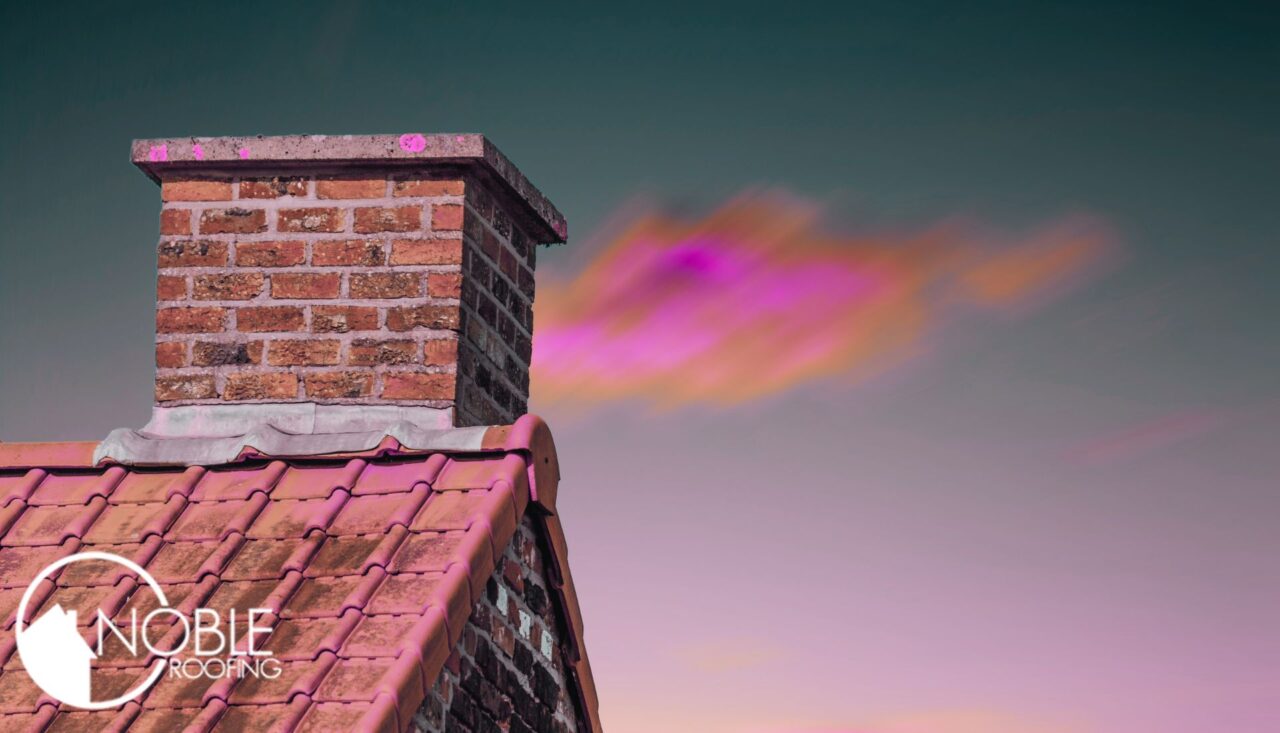
All winter long, your chimney and the flashing around it have been taking the brunt of cold, wind, and moisture. As temperatures warm up, small gaps, rust spots, and loose sealant that developed over the winter often turn into spring leaks around the chimney. A quick spring checkup is one of the best ways to prevent water damage in the seasons ahead.
This guide walks you through simple, homeowner‑friendly steps to care for your chimney and its flashing each spring—along with clear signs it is time to call in a professional.
Start with a Safe Visual Inspection
You do not need to climb onto the roof to spot many chimney problems. Begin with a visual inspection from the ground:
- Use binoculars or a zoomed‑in phone camera to look at the base of the chimney where it meets the roof.
- Check for flashing that looks lifted, bent, rusted, or missing in sections.
- Look for dark streaks or stains on shingles below the chimney that might indicate a slow leak.
- Scan nearby shingles for curling, cracking, or missing tabs.
Inside the home, look at ceilings and walls near the chimney for water stains, peeling paint, or a musty smell—common early clues that flashing is letting moisture in.
Clear Away Debris Around the Chimney
Leaves, seed pods, and small branches tend to pile up where the roof meets the chimney. That debris traps moisture against metal flashing and brickwork:
- On a safe, low‑slope roof, gently remove loose debris with a soft broom or leaf blower, working downward with the roof slope.
- Avoid metal tools that can scrape or bend the flashing.
- Make sure nearby gutters and downspouts are clear so water can move away from the chimney base.
Keeping this area clear helps flashing dry out quickly after spring rains and reduces the chance of corrosion.
Check the Flashing and Sealant
If it is safe for a professional—or for you on a very low, walkable roof—take a closer look at the flashing itself. Chimney flashing is usually a combination of step flashing, counter flashing, and sometimes a top “cap” flashing.
Warning signs include:
- Visible gaps between the metal and the chimney or roof surface
- Cracked, dried, or missing sealant where flashing tucks into mortar joints
- Rust, pinholes, or warped sections in the metal
- Soft or darkened wood and damp insulation in the attic around the chimney chase
Minor sealant cracks can sometimes be touched up, but loose, rusted, or poorly installed flashing usually needs professional repair or replacement to truly fix the leak path.
Inspect the Chimney Cap, Crown, and Masonry
While you are checking the flashing, it is a good time to look at the rest of the chimney:
- Chimney cap – Make sure a properly sized cap is in place, secure, and free of damage. It helps keep rain, animals, and debris out of the flue.
- Chimney crown – Look for cracks in the concrete or mortar top; these allow water to soak down into the structure.
- Brick and mortar – Check for missing mortar joints, loose bricks, or white, powdery staining (efflorescence), all signs that water has been getting in.
Addressing these issues early keeps water from running down inside the chimney and overwhelming the flashing and roof below.
When to Call a Roofing or Chimney Professional
Some spring checks are perfectly safe for homeowners; others are better left to trained crews with the right ladders and fall protection. It is time to call a professional if:
- Your roof is steep, high, or covered in moss, pollen, or other slippery growth.
- You see obvious gaps, lifted flashing, or rusted‑through sections.
- There are water stains on ceilings or walls near the chimney, or you notice musty odors from the fireplace.
- The chimney cap or crown is cracked, missing, or badly deteriorated.
A roofing or chimney specialist can perform a full inspection, repair, or replace damaged flashing, reseal critical joints, and recommend any needed masonry or crown work so you head into storm season with a watertight system.
Taking a little time each spring to check your chimney and flashing can prevent costly leaks, protect your roof and interior finishes, and help your chimney last for decades.