
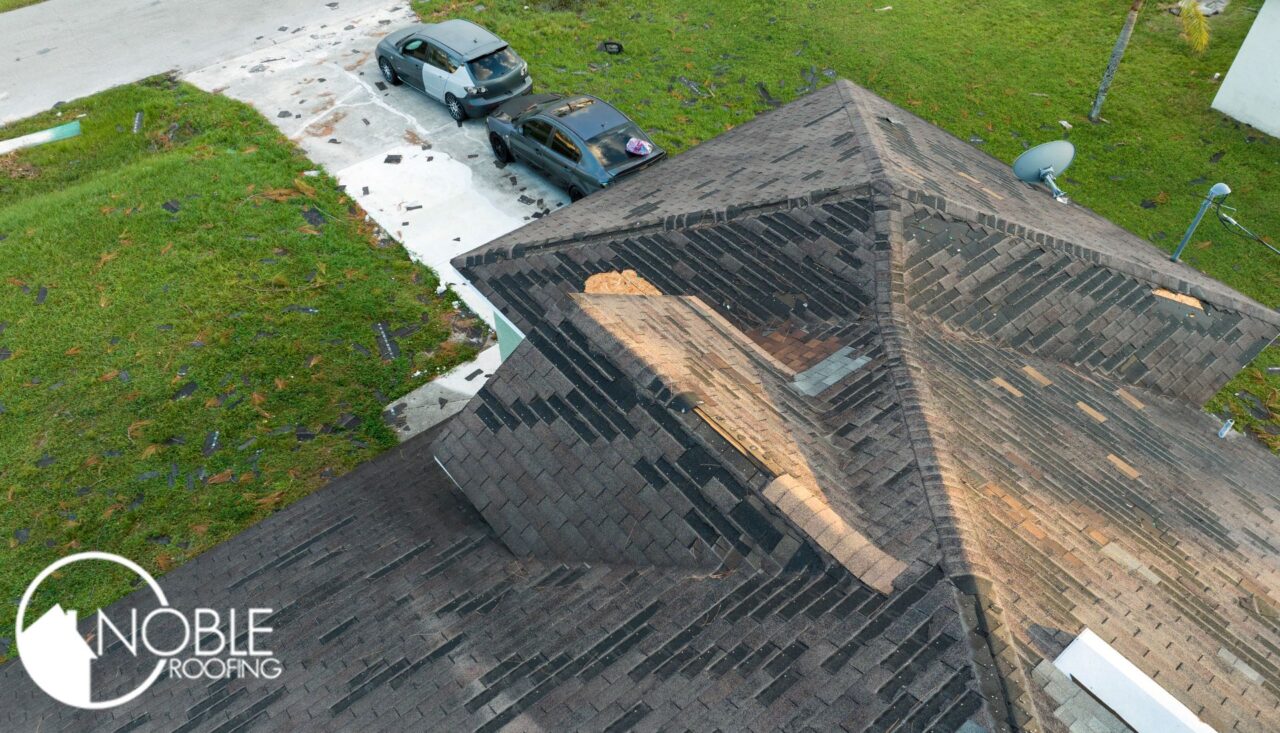
Wind Damage and Your Roof: How to Help Keep Shingles From Flying Off
Strong winds can be tough on your roof. Even if you don’t see missing shingles right away, high winds can loosen roofing materials, lift edges, and create weak spots that turn into leaks later. Taking a little time to understand how wind affects your roof—and what you can do to prevent damage—can save you from bigger repairs down the road.
Whether it’s a passing storm or a full-on wind event, your shingles are the first line of defense. Keeping them secure is essential to protecting your home.
How Wind Damages Roofs
Wind doesn’t hit every part of your roof the same way. Edges, corners, and the ridge line often get the most pressure, which is why shingles tend to lift or peel in those areas first. When wind gets under the edge of a shingle, it can break the seal and start to pull the shingle up.
Once a few shingles are loose, the problem can spread. Wind can catch those lifted edges, tear shingles off completely, and expose the underlayment or roof deck below. That exposure is what leads to moisture problems and leaks inside the home.
Signs Your Roof Has Wind Damage
Missing or visibly lifted shingles. The most obvious sign of wind damage is shingles that are gone or look like they’re curling, bent, or sticking up slightly from the roof surface. Even a small lifted area can be a weak point during the next storm.
Creased, cracked, or broken shingles. Sometimes strong gusts don’t remove a shingle, but they can bend it back and leave a visible crease. Over time, that crease can turn into a crack, making the shingle less effective at keeping water out.
Exposed nails or underlayment. If you can see nail heads, bare spots, or the layer beneath the shingles, wind has likely shifted or removed part of your roofing system. These exposed areas are especially vulnerable to water intrusion.
Loose or damaged ridge caps and flashing. High winds can loosen the ridge cap shingles and metal flashing around vents, chimneys, and roof intersections. If those protective pieces move or bend, water has more ways to get in.
Granules collecting in gutters and around downspouts. Asphalt shingles are covered in protective granules. After strong winds, an unusual amount of granules in your gutters or near your downspouts can be a sign that shingles were stressed or damaged.
How to Help Keep Your Shingles From Lifting
Start with a quality installation. Properly installed shingles are your best defense against wind. That includes using the right number of nails, placing them in the correct area of the shingle, and making sure each course is properly aligned. Poor installation can make even good shingles more likely to fail in high winds.
Choose shingles rated for your local wind conditions. Not all shingles are the same. Many manufacturers offer shingles tested and rated for higher wind speeds. If you live in an area prone to storms and strong winds, investing in a higher wind-rated shingle can provide extra peace of mind.
Keep your roof clean and clear. Debris like branches, leaves, and other materials can trap moisture and add unnecessary stress to your shingles. Regularly removing debris and addressing small issues before they grow helps the whole system stay stronger in bad weather.
Maintain trees near your home. Overhanging limbs can break in high winds and strike the roof, cracking or loosening shingles. Trimming branches back away from the roof reduces the chances of impact damage and limits debris buildup.
Address small problems early. A few loose shingles, a lifted ridge cap, or slightly bent flashing might not look serious on a calm day, but they can become big entry points for wind during the next storm. Fixing these early helps prevent larger sections from peeling away.
What to Do After a Windy Storm
After a strong wind event, it’s smart to do a quick visual check from the ground. Look for missing shingles, uneven areas on the roof, debris that may have hit the surface, and granules collecting near downspouts. If something looks off, it’s better to have it checked than to wait for a leak to appear.
A professional roofer can safely inspect the roof up close, spot wind damage that may not be obvious from the yard, and let you know if any repairs are needed to keep your shingles secure.
When to Call a Roofing Professional
If you suspect wind damage, see missing shingles, or notice signs of a leak inside the home—such as water spots on the ceiling or walls—it’s time to call in a professional. Climbing onto the roof yourself can be dangerous, especially after a storm, and some forms of wind damage are easy to miss without experience.
Concerned about wind damage or loose shingles? Noble Roof can inspect your roof, identify problem areas, and recommend repairs or upgrades to help keep your shingles in place and your home protected during the next storm.